


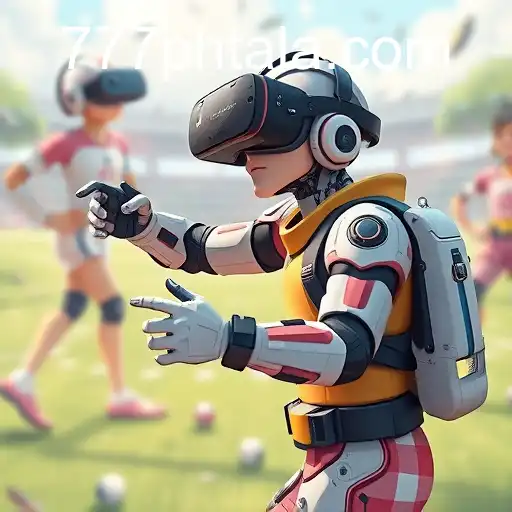
In the rapidly evolving landscape of online gaming, 2025 marks a pivotal year with 'Phtala' emerging as a revolutionary platform that promises to redefine gaming experiences. Unlike its predecessors, 'Phtala' seamlessly integrates advanced virtual reality features, enhancing how players interact within immersive digital landscapes.
The advent of 'Phtala' has caught the attention of millions worldwide, primarily due to its sophisticated AI-driven ecosystems that allow gamers to create, share, and monetize their content effectively. This platform's unique approach enables a new level of personalization, allowing players to design their avatars, environments, and even game mechanics.
With the rise of 'Phtala', the dynamics of community interaction within virtual worlds have also seen a significant shift. Gamers are no longer passive participants but active co-creators, fostering a vibrant community atmosphere that encourages collaboration and innovation. This has led to the formation of diverse online communities united by shared interests and goals.
Moreover, 'Phtala' is making significant strides in the realm of e-sports. Its platform offers comprehensive support for competitive gaming, providing organizers with state-of-the-art tools to host tournaments that rival traditional sporting events in terms of viewers and prize pools. As e-sports gain mainstream recognition, 'Phtala' is poised to become a pivotal player, driving forward global engagement and professional opportunities for gamers.
As we navigate through 2025, the impact of 'Phtala' is undeniable. It is setting new standards in interactivity, community engagement, and competitive play, marking an essential milestone in the history of online gaming. The continued evolution of platforms like 'Phtala' is likely to have far-reaching implications for how we understand and participate in digital entertainment.