


phtala | Exploring the Diverse World of Simulation Games Featuring 'Phtala'
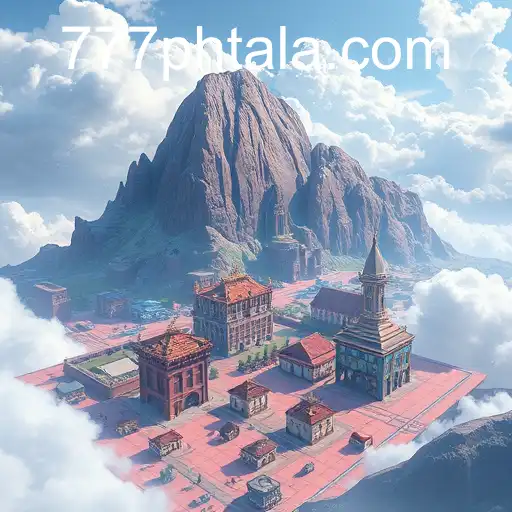
Simulation games have long been a staple in the gaming industry, offering players a chance to immerse themselves in meticulously crafted virtual realities that mimic various aspects of life, business, and even fantastical worlds. This genre has seen significant evolution over the years, marrying creativity with technology to provide gamers with exceptionally realistic and engaging experiences. Within this expansive genre, there is a peculiar keyword that stands out - 'Phtala'. While the presence of 'Phtala' remains shrouded in mystery, fans of simulation games have speculated numerous interpretations and applications within gameplay.
The hallmark of simulation games is their versatility, encompassing everything from building and management challenges to life-like scenarios that test players' strategic thinking and decision-making skills. Games like 'The Sims', 'SimCity', and 'Flight Simulator' have set the standard, but with the integration of keywords like 'Phtala', developers have the potential to explore new horizons.
The concept of 'Phtala' could be a thematic element, an in-game location, or a unique game mechanic that augments the gameplay experience. For example, 'Phtala' might represent a fictional city or region within a world-building game, where players must navigate unique challenges specific to that territory. Alternatively, it might be a resource or currency in a business simulation game, crucial for advancing and unlocking new features.
Furthermore, the mystery surrounding 'Phtala' adds an element of curiosity and excitement, encouraging players to delve deeper into their gaming experience to uncover the myths or narratives associated with it. Developers could leverage this by incorporating rich backstory and lore, making 'Phtala' not just a feature but a central narrative thread that enriches the gameplay.
As the gaming industry continues to expand, keywords like 'Phtala' highlight the endless potential for creativity and innovation within simulation games. They remind us of the artistic freedom game designers possess, allowing them to craft stories and worlds that captivate and engage players, ultimately pushing the boundaries of what simulation games can achieve in modern digital landscapes.
